High-Performance Solar Panel Mounting System for Global Solar Projects
A Solar panel mounting system is the structural framework that securely supports photovoltaic (PV) modules on rooftops, ground installations, carports, and other surfaces. Although solar panels generate electricity, the mounting system is what ensures the panels remain stable, properly aligned, and capable of withstanding decades of exposure to wind, rain, snow, and changing temperatures.
Choosing the right Solar panel mounting system is essential for maximizing energy production, improving structural safety, and extending the life of your solar investment. Whether you are installing a residential rooftop system, a commercial solar array, or a utility-scale solar farm, the mounting structure directly affects installation costs, maintenance requirements, and long-term system performance.
This comprehensive guide explains the different types of solar panel mounting systems, their components, applications, advantages, and how to select the best solution for your project.
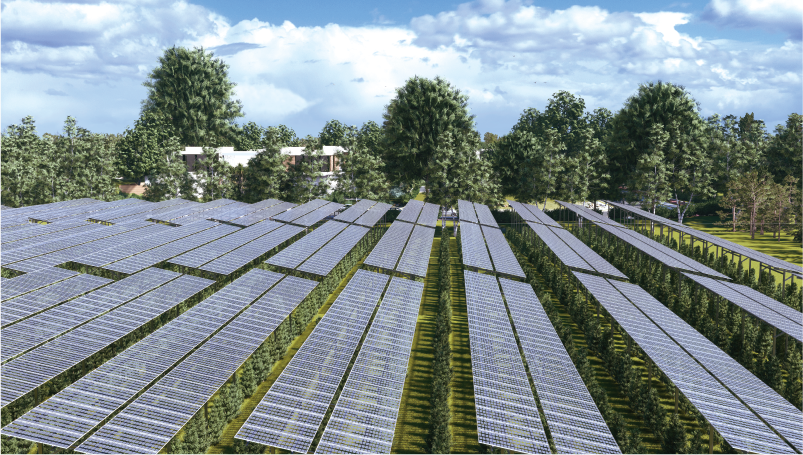
What Is a Solar Panel Mounting System?
A Solar panel mounting system is a combination of structural components that hold solar panels in place while safely transferring environmental loads to a building or foundation.
A complete mounting system typically includes:
Mounting rails
Roof attachments
Clamps
Support brackets
Posts or columns
Foundations (for ground mounts)
Fasteners
Flashing
Structural connectors
The primary functions of a solar panel mounting system are to:
Secure solar panels safely
Optimize panel orientation
Resist wind and snow loads
Protect the building structure
Simplify installation
Extend system lifespan
A properly engineered mounting system can perform reliably for more than 25 years with minimal maintenance.
Why Is a Solar Panel Mounting System Important?
Many people focus primarily on choosing solar panels, but the mounting system is equally important.
A high-quality Solar panel mounting system provides:
Structural Safety
The mounting structure supports the weight of the solar panels while resisting environmental forces such as:
High winds
Heavy snow
Rain
Earthquakes
Thermal expansion
Poor structural design can result in loose panels, roof damage, or system failure.
Maximum Energy Production
Proper mounting allows panels to face the optimal direction and tilt angle, increasing solar energy generation throughout the year.
Long-Term Reliability
Durable mounting materials such as anodized aluminum and galvanized steel resist corrosion and weathering, reducing maintenance costs.
Easier Maintenance
Well-designed mounting systems provide adequate spacing between panels and the mounting surface, allowing easier cleaning, inspections, and repairs.
Types of Solar Panel Mounting System
Solar mounting systems can generally be divided into several categories.
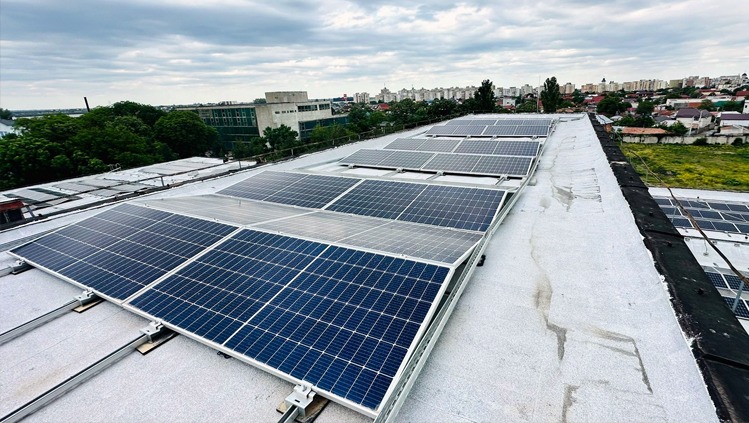
Roof Mount Systems
Roof-mounted systems are the most common choice for residential installations.
They attach directly to the building's roof using specialized brackets and flashing.
Advantages
Uses existing roof space
Lower installation costs
Attractive appearance
Minimal land usage
Suitable Roof Types
Asphalt shingles
Tile roofs
Standing seam metal roofs
Corrugated metal roofs
Flat roofs
Each roof type requires specific mounting hardware to ensure waterproofing and structural integrity.
Ground Mount Systems
Ground-mounted systems are installed directly on open land using support structures and foundations.
These systems are ideal for:
Farms
Commercial properties
Utility-scale projects
Large residential lots
Advantages
Flexible orientation
Adjustable tilt angles
Easier maintenance
Better airflow around panels
Higher energy production potential
Ground-mounted systems typically use:
Ground screws
Driven piles
Concrete foundations
Pole Mount Systems
Pole-mounted solar systems support one or more panels on a single steel pole.
Common applications include:
Remote monitoring stations
Telecommunications equipment
Water pumping systems
Cabins
Small off-grid systems
Some pole-mounted systems include solar trackers that follow the sun throughout the day.
Wall Mount Systems
Wall-mounted solar installations are suitable for:
Sheds
RVs
Boats
Cabins
Security systems
Wall mounts provide a compact solution where roof or ground space is limited.
Components of a Solar Panel Mounting System
A complete Solar panel mounting system consists of several critical components.
Mounting Rails
Rails support the solar panels and distribute structural loads evenly across the system.
High-quality rails are typically manufactured from anodized aluminum to provide:
High strength
Lightweight construction
Excellent corrosion resistance
Roof Attachments
Roof attachments connect the mounting system directly to the building structure.
Common attachment types include:
Roof hooks
Lag bolts
Standing seam clamps
L-feet
Flashing systems
Proper waterproofing is essential to prevent roof leaks.
Module Clamps
Clamps secure solar panels to the mounting rails.
Two common types include:
Mid clamps
End clamps
These clamps must provide sufficient holding force while protecting the panel frame.
Support Posts
Ground-mounted systems use support posts to elevate the solar array.
Posts must resist: Compression
Bending
Wind uplift
Lateral movement
Foundations
Foundation selection depends on:
Soil conditions
Wind speed
Frost depth
Array size
Common foundation options include:
Concrete footings
Driven piles
Ground screws
Materials Used in Solar Panel Mounting Systems
Material selection directly influences system durability.
Aluminum Alloy
Advantages include:
Lightweight
Corrosion resistance
Easy installation
Long service life
Aluminum is commonly used for residential and commercial rooftop systems.
Galvanized Steel
Steel provides:
Higher structural strength
Excellent durability
Cost-effective performance
It is widely used for utility-scale and ground-mounted projects.
Stainless Steel
Fasteners are typically manufactured from stainless steel because they resist corrosion and maintain long-term structural integrity.
Choosing the Right Solar Panel Mounting System
Selecting the appropriate Solar panel mounting system depends on several important factors.
Project Type
Residential
Most homes use roof-mounted systems because they maximize existing roof space while minimizing installation costs.
Commercial
Commercial buildings often use:
Flat roof mounting systems
Ballasted systems
Ground-mounted arrays
Utility Scale
Large solar farms require custom-engineered ground-mounted structures designed for maximum efficiency and durability.
Roof Type
Different roofing materials require different mounting hardware.
Roof Type |
Recommended Mounting System |
Asphalt Shingle |
Flashing and lag bolts |
Tile |
Tile hooks or replacement mounts |
Standing Seam Metal |
Clamp-based attachments |
Flat Roof |
Ballasted or anchored systems |
Environmental Conditions
Engineers consider:
Wind speed
Snow loads
Earthquake zones
Coastal corrosion
Soil characteristics
These factors determine rail spacing, support sizes, and foundation design.
Benefits of a High-Quality Solar Panel Mounting System
Investing in a premium mounting system provides numerous advantages.
Increased Safety
Proper engineering protects both the solar array and the building.
Higher Energy Production
Optimized tilt angles improve solar exposure throughout the year.
Longer Service Life
Quality materials reduce corrosion and structural wear.
Lower Maintenance Costs
Durable systems require fewer repairs over their operating life.
Easier Installation
Modern mounting systems feature modular components that reduce installation time.
Installation Process
A typical Solar panel mounting system installation includes the following steps:
Step 1: Site Assessment
Evaluate:
Roof condition
Soil characteristics
Shading
Structural capacity
Step 2: System Design
Determine:
Panel layout
Tilt angle
Orientation
Mounting hardware
Structural calculations
Step 3: Install Mounting Structure
Install:
Roof attachments or foundations
Rails
Brackets
Support structures
Step 4: Mount Solar Panels
Secure panels using approved clamps and fasteners while maintaining proper spacing.
Step 5: Inspection and Testing
Inspect:
Fastener torque
Structural alignment
Waterproofing
Electrical safety
Future Trends in Solar Panel Mounting Systems
The solar industry continues to innovate with new mounting technologies.
Emerging trends include:
Rail-less mounting systems
Adjustable tilt systems
Bifacial panel mounting
Floating solar structures
Solar carports
AI-assisted structural design
Lightweight aluminum alloys
Pre-assembled modular systems
These innovations reduce installation time while improving long-term system performance.
How J-Systems Supports Solar Panel Mounting System Projects
Professional manufacturers like J-Systems provide complete Solar panel mounting system solutions for residential, commercial, and utility-scale applications.
J-Systems offers:
Rooftop mounting systems
Ground-mounted structures
Customized engineering
Structural calculations
Wind and snow load analysis
Project-specific Bill of Materials (BOM)
Installation drawings
OEM and ODM manufacturing services
By combining durable materials with engineering expertise, J-Systems helps installers achieve safe, efficient, and code-compliant solar installations.
Conclusion
A Solar panel mounting system is the foundation of every successful solar energy installation. It supports photovoltaic modules, protects them from environmental forces, and ensures optimal positioning for maximum energy production. From roof-mounted systems for homes to ground-mounted structures for commercial and utility-scale projects, selecting the right mounting system is essential for long-term reliability and return on investment.
When choosing a Solar panel mounting system, consider your project size, roof type, installation location, and local environmental conditions. Working with an experienced manufacturer such as J-Systems can provide customized engineering support, high-quality materials, and reliable structural solutions that deliver decades of dependable solar performance.