General
-
Professional Solar panel mounting solutions for Modern Solar Projects
Choosing the right Solar panel mounting solutions is one of the most important decisions when designing a solar energy system. While solar panels receive most of the attention, the mounting system is the structural foundation that determines how securely the panels are installed, how efficiently they generate electricity, and how well they withstand decades of exposure to wind, rain, snow, and extreme temperatures.- Modern Solar panel mounting solutions are generally divided into three primary categories:
- Roof Mounts
- Ground Mounts
- Pole and Wall Mounts
Each mounting option is designed for different installation environments, budgets, and energy production goals. The mounting method directly affects installation costs, maintenance requirements, panel orientation, structural performance, and long-term return on investment.
Whether you're installing solar panels on a residential rooftop, a commercial warehouse, an agricultural property, or an off-grid cabin, understanding the advantages and limitations of each mounting solution will help you select the best system for your project.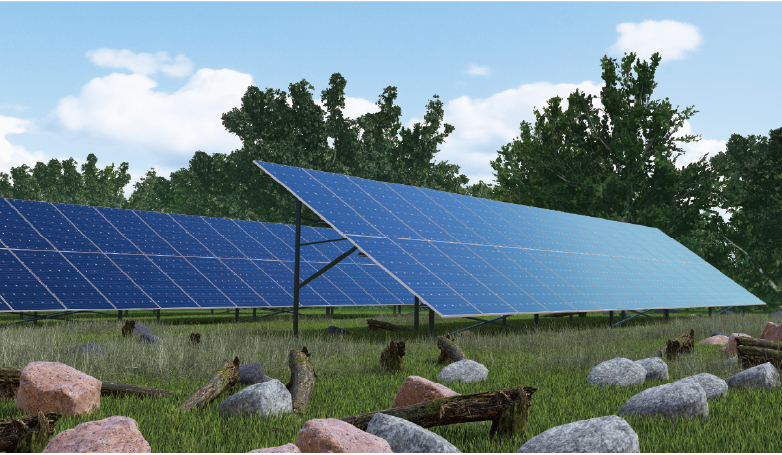
What Are Solar Panel Mounting Solutions?
Solar panel mounting solutions refer to the complete structural systems that securely attach photovoltaic (PV) modules to buildings, the ground, poles, walls, or other supporting structures.- A complete mounting solution typically includes:
- Mounting rails
- Roof or ground attachments
- Clamps
- Fasteners
- Structural supports
- Foundation systems
- Engineering calculations
- Installation accessories
The purpose of these components is to:
Secure solar panels safely
Maximize sunlight exposure
Resist wind and snow loads
Prevent structural damage
Extend the lifespan of the solar installation
High-quality mounting systems are designed to perform reliably for 25–30 years or more with minimal maintenance.The Three Primary Types of Solar Panel Mounting Solutions
The solar industry generally classifies mounting systems into three main categories.
Mounting TypeTypical Installation
Main Advantages
Roof Mounts
Residential and commercial roofs
Cost-effective, space-saving
Ground Mounts
Open land, farms, solar fields
Flexible orientation, easy maintenance
Pole and Wall Mounts
RVs, sheds, cabins, off-grid systems
Compact and versatile
Each solution is suitable for different project requirements.
Roof Mount Solar Panel Mounting Solutions
Roof mounts are the most widely used Solar panel mounting solutions, particularly for residential homes.In this design, solar panels are attached directly to the building's roof using specialized mounting hardware.
Advantages
Roof-mounted systems offer several benefits:Efficient Use of Existing Space
Instead of occupying valuable land, roof-mounted systems utilize unused rooftop space.Lower Installation Cost
Because the building already provides structural support, roof-mounted systems generally require fewer materials than ground-mounted installations.Attractive Appearance
Most residential roof mounts are installed parallel to the roof surface, making them relatively discreet and visually appealing.
Panels are often hidden from street view, preserving the home's appearance.- Suitable Roof Types
- Roof mounting systems can be designed for:
- Asphalt shingle roofs
- Tile roofs
- Standing seam metal roofs
- Corrugated metal roofs
- Flat roofs
Different roof materials require specialized mounting hardware to ensure waterproofing and structural integrity.
Ground Mount Solar Panel Mounting Solutions
Ground-mounted systems are ideal when sufficient land is available.Unlike rooftop installations, ground mounts allow complete flexibility in positioning and panel orientation.
These Solar panel mounting solutions are commonly installed in:
- Residential backyards
- Farms
- Commercial properties
- Agricultural facilities
- Utility-scale solar farms
- Off-grid homesteads
Advantages of Ground Mount Systems
Optimal Solar Orientation
Ground-mounted arrays can be positioned toward true south (in the Northern Hemisphere) for maximum energy production.Unlike rooftop systems, installers are not limited by the building's roof direction.
Adjustable Tilt Angle
Many ground-mounted systems allow seasonal tilt adjustments.Increasing or decreasing the panel angle helps optimize electricity generation throughout the year.
Easier Maintenance
Ground-mounted solar arrays are easier to inspect, clean, and repair because technicians can access the panels without climbing onto a roof.Better Cooling
Panels installed above open ground generally experience better airflow.Lower operating temperatures improve photovoltaic efficiency.
Foundation Options
Ground mounting systems typically use:- Ground screws
- Driven piles
- Concrete foundations
- Foundation selection depends on:
- Soil conditions
- Wind loads
- Snow loads
- Local building regulations
Pole and Wall Mount Solar Panel Mounting Solutions
Pole and wall mounts are excellent choices for smaller solar installations.- They are commonly used for:
- Cabins
- Sheds
- RVs
- Campers
- Boats
- Telecommunications equipment
- Remote monitoring stations
These compact Solar panel mounting solutions maximize flexibility while minimizing installation space.
Pole Mount Advantages
Pole-mounted systems can:- Raise panels above ground obstacles
- Improve sunlight exposure
- Reduce snow accumulation
- Allow seasonal tilt adjustments
Some pole mounts even support solar tracking systems that follow the sun throughout the day.
Wall Mount Advantages
Wall-mounted solar panels are suitable when:- Roof space is unavailable
- Ground space is limited
- Small off-grid systems are required
Wall mounts are often used for security cameras, lighting systems, battery charging, and remote equipment.
DIY Solar Panel Mounting Solutions
Many homeowners are interested in installing solar systems themselves.On the DIY Solar Power Forum, experienced users generally agree that non-invasive mounting technologies are an excellent alternative for projects where homeowners want to avoid drilling through the roof.
These mounting methods may include:
- Ballasted systems for flat roofs
- Clamp-based attachments for standing seam metal roofs
- Specialized mounting hardware designed to reduce roof penetrations
While DIY installations can reduce labor costs, structural safety and local building codes should always be considered. Which Solar Panel Mounting Solution Is the Most Cost-Effective?
Installation costs vary depending on the mounting method.- Roof Mounts
- Typically offer:
- Lowest material costs
- Fast installation
- Minimal site preparation
For most residential homes, roof mounts remain the most economical option.
Ground Mounts
Ground-mounted systems generally require:
Foundations
Additional structural steel
More labor- However, they often provide:
- Higher energy production
- Easier maintenance
- Greater installation flexibility
For properties with abundant land, these long-term benefits may offset the higher initial investment.
Pole and Wall Mounts
These systems are usually the least expensive for:
Small solar arrays
Remote applications
Off-grid systemsBecause they support fewer panels, installation remains relatively simple.
How J-Systems Addresses Solar Panel Mounting Solutions
As a professional solar mounting manufacturer, J-Systems provides comprehensive Solar panel mounting solutions designed to meet a wide range of project requirements.Rather than offering a one-size-fits-all approach, J-Systems develops engineered mounting systems optimized for different installation environments.
Customized Roof Mount Systems
- J-Systems offers mounting solutions compatible with various roof types, including:
- Asphalt shingles
- Tile roofs
- Metal roofs
- Flat roofs
Each system is engineered to provide reliable waterproof protection while simplifying installation.
Flexible Ground Mount Structures
For ground-mounted projects, J-Systems provides:
Adjustable support structures
Customized foundation options
Wind and snow load engineering
Site-specific structural calculationsThese systems can be tailored for residential, commercial, agricultural, or utility-scale applications.
Pole and Wall Mount Options
J-Systems also supplies compact mounting systems for:
Off-grid cabins
RVs
Telecom equipment
Small solar installationsThese solutions are designed for quick installation while maintaining structural reliability.
Engineering Support
J-Systems enhances its Solar panel mounting solutions by providing engineering services such as:
Customized structural calculations
Bill of Materials (BOM)
Installation drawings
Wind load analysis
Snow load analysis
Project-specific mounting layoutsThis engineering-first approach helps installers reduce design time while improving installation quality.
How to Choose the Best Solar Panel Mounting Solutions
Before selecting a mounting system, consider the following questions:
Is your project residential or commercial?Residential projects often benefit from roof-mounted systems due to lower installation costs and efficient use of available roof space.
Commercial and industrial projects may require larger ground-mounted systems for greater flexibility and expansion.
How much installation space is available?
Limited roof space may require ground-mounted or wall-mounted alternatives.
Open land allows greater freedom to optimize panel orientation.What are the local environmental conditions?
Your mounting system should be designed according to:
Wind speed
Snow load
Seismic conditions
Soil characteristics
Corrosion risksProper engineering ensures long-term structural safety.
Is future maintenance important?
Ground-mounted systems generally provide easier access for cleaning, inspections, and repairs.
Roof-mounted systems require less land but may involve more complex maintenance.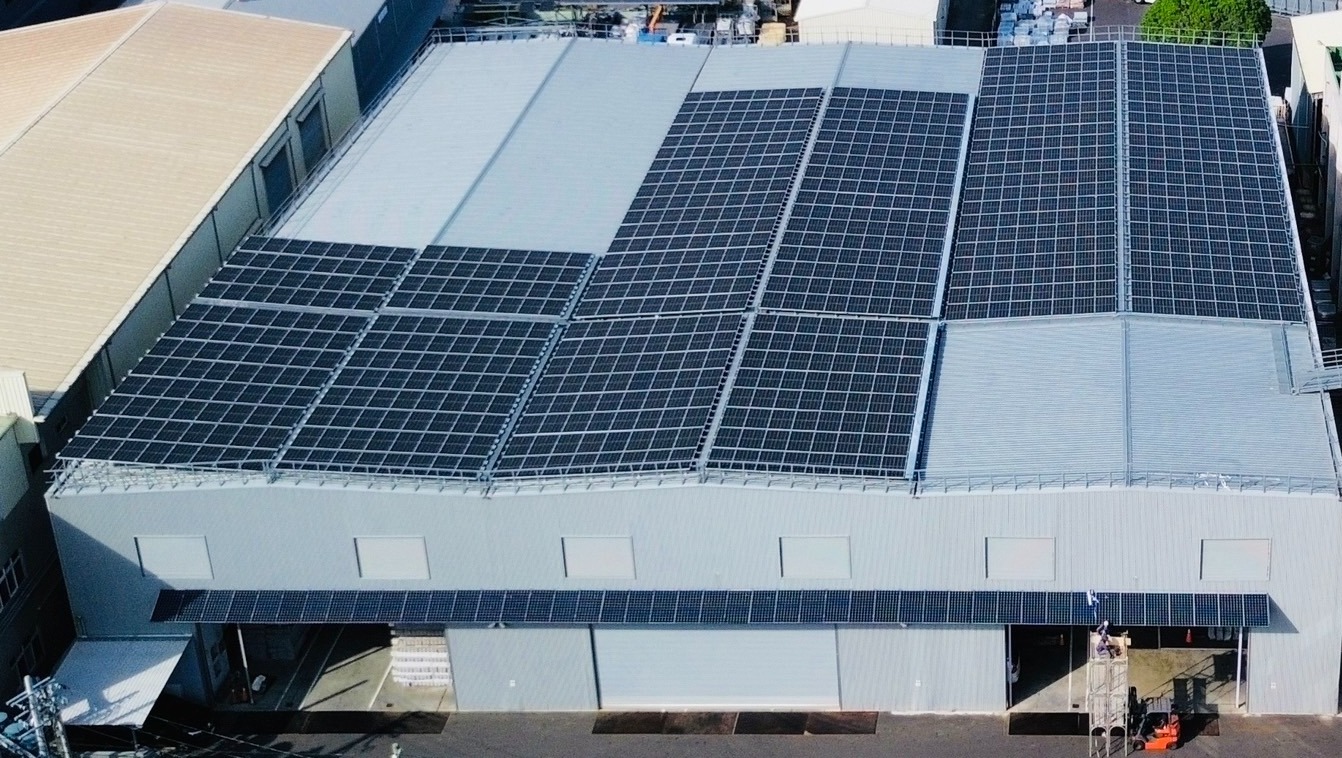
Conclusion
Selecting the right Solar panel mounting solutions is essential for maximizing the safety, efficiency, and long-term performance of any solar energy system. Roof mounts remain the preferred option for most residential installations because they are affordable, space-efficient, and visually appealing. Ground mounts offer superior flexibility, optimal solar orientation, and easier maintenance for larger properties, while pole and wall mounts provide practical solutions for off-grid applications, RVs, sheds, and compact installations.Manufacturers such as J-Systems address these diverse requirements by offering engineered mounting systems tailored to different roof types, ground conditions, and project scales. Combined with professional engineering support, customized structural calculations, and durable materials, these solutions help ensure reliable solar performance for decades.
By carefully evaluating your project size, installation location, budget, and environmental conditions, you can choose the Solar panel mounting solutions that best meet your energy goals while delivering long-term value and structural reliability.